Ultralight T700 Carbon Saddle: Hollow Comfort for MTB/Road
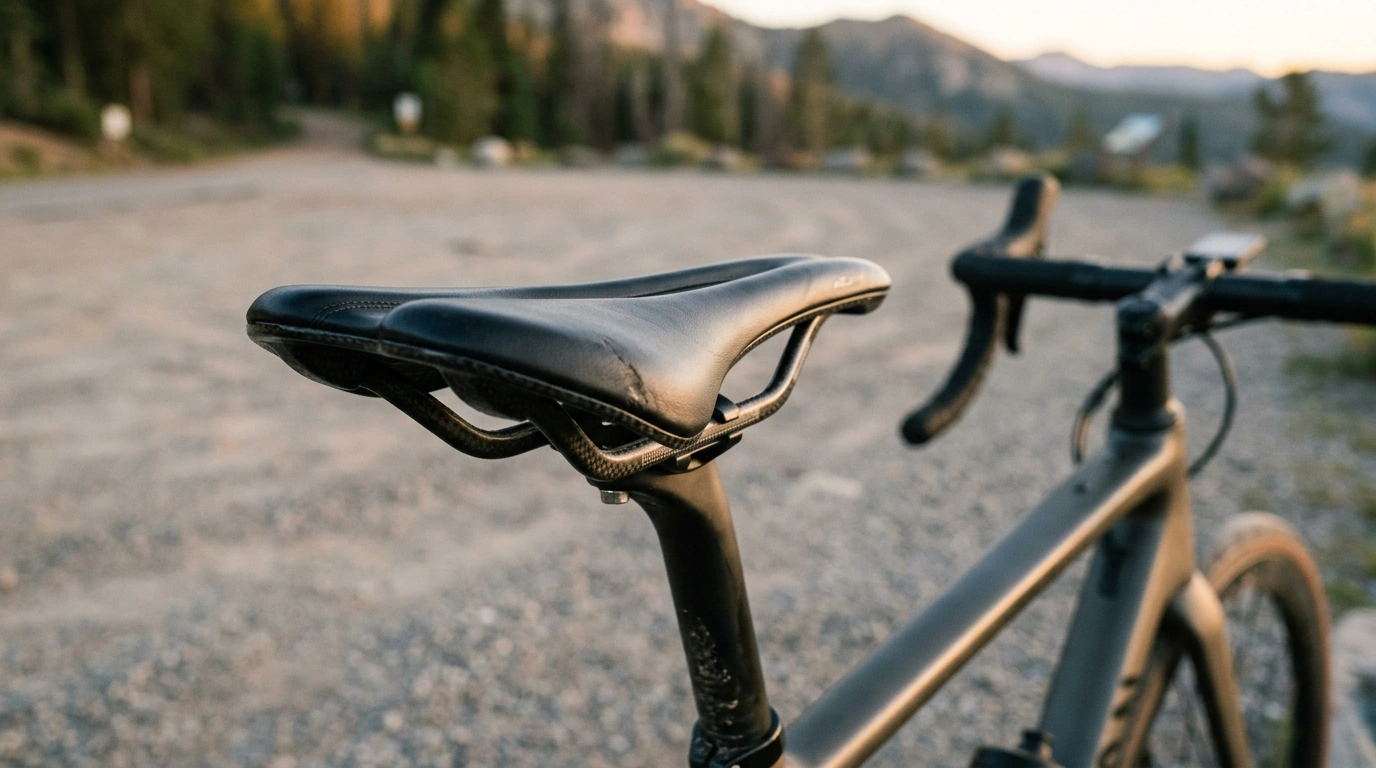
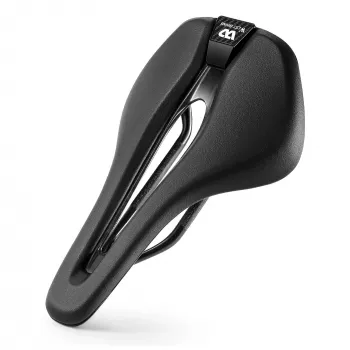
Ultralight T700 Carbon Bike Saddle: Hollow Leather Cushion Comfort for MTB & Road
A bike saddle can make or break long rides—especially when weight, stiffness, and pressure relief all matter. This ultralight T700 carbon saddle pairs a supportive carbon base with a hollow relief channel and a leather-style cushioned top, aiming for a fast, efficient feel on road rides while still offering control and comfort for MTB sessions. For more guidance, see ROCKBROS Ultralight Bike Saddle – Comfort MTB/Road Seat With ….
What Sets This Saddle Apart
When riders shop for an upgrade saddle, the “best” option is usually the one that matches their posture, pedaling style, and sensitivity to pressure. This design focuses on a few practical priorities that tend to matter most for performance-focused cyclists. For further reading, see WEST BIKING Ultralight 3D Printed Carbon Fiber Saddle – radiocane.
- T700 carbon construction targets low weight and firm power transfer for riders who prefer a responsive perch.
- Hollow center channel helps reduce pressure on sensitive soft-tissue areas during longer efforts and aggressive riding positions.
- Leather-style cushioned surface offers a smoother contact feel than bare carbon while keeping the saddle profile performance-oriented.
- MTB + road versatility for cross-country, endurance road, and fitness riding—where seated pedaling time still matters.
- Smart upgrade path for cyclists trying to reduce bike weight without jumping to an overly hard minimalist saddle.
At-a-Glance Fit and Use Guide
| Rider need | Why it matters | How this saddle addresses it |
|---|---|---|
| Pressure relief | Helps reduce numbness and discomfort on longer rides | Hollow relief channel supports better soft-tissue clearance |
| Low weight | Improves climbing feel and bike responsiveness | T700 carbon base targets ultralight performance |
| Firm support | Stabilizes hips for steady cadence and efficient pedaling | Carbon structure provides a more rigid platform than many padded saddles |
| Mixed-terrain versatility | Road and MTB demand different body positions and impacts | Cushioned top plus firm chassis balances comfort and control |
| Aggressive riding posture | Lower handlebar positions increase forward pelvic rotation | Center channel and slim profile better suit performance positions |
Comfort and Pressure Management
The hollow center channel is usually most noticeable after the first hour, when pressure builds gradually and small fit issues become “loud.” It can also be helpful during sustained climbs, when many riders naturally creep forward on the saddle nose and spend more time in a rotated, tucked posture.
- Width and sit-bone support are still the foundation of comfort. A firmer saddle can feel surprisingly good when the shape matches the rider, even with less overall padding.
- Cushioning is used strategically—enough to soften small vibrations and reduce “harsh” contact, without turning the top into a bulky, high-friction surface.
- MTB use adds sharper hits and more frequent position changes. A stable shape that lets you move quickly can help reduce chafing when you’re on-and-off the saddle.
- Road use often means longer uninterrupted seated time, so the combination of a relief channel and a smooth cover can be valuable for limiting hot spots.
For deeper guidance on matching saddle shape to posture and pelvic rotation, resources like BikeFit’s saddle selection and setup notes and Sheldon Brown’s saddle overview are solid references.
Weight, Stiffness, and Ride Feel
Carbon saddles tend to feel firmer than steel-rail, heavily padded models. That isn’t automatically a downside—many riders notice a more “locked-in” pedaling feel once the height, tilt, and fore-aft are dialed. The goal is stable support under the sit bones, not a soft couch that compresses and shifts under load.
- Stiffer platform, steadier cadence: less saddle flex can translate to a more consistent hip position during high-cadence work and seated climbs.
- Overall comfort is a system: if your bike already rides harsh, tire pressure, tire volume, and even a more compliant seatpost can balance a firmer saddle.
- Adaptation is normal: riders moving from thick padding may need a short break-in period while posture and chamois contact settle.
- Safe setup matters with ultralight parts: use correct clamp hardware and avoid over-tightening to protect rails and reduce creaks.
Fit and Setup Tips for Road and MTB
Small changes can make a big difference—especially with a supportive, performance-oriented saddle. The most reliable approach is to start close to your prior fit, then adjust one variable at a time.
If you’re revisiting overall bike fit (not just the saddle), the International Bicycle Fund’s basic fit guidance is a helpful starting point.
Recommended In-Stock Picks
- Ultralight T700 Carbon Bike Saddle – Hollow Leather Cushion for MTB & Road ($63.32)
- HiFi Dynamic Driver Earbuds ($114.01)
Who This Saddle Is Best For
Care and Durability Basics
FAQ
Does a hollow center saddle help with numbness?
It can. A relief channel is designed to reduce soft-tissue pressure, which may help limit numbness, but correct saddle width, tilt, and riding posture are just as important. Make small adjustments and give it a few rides before judging the change.
Is a carbon saddle too stiff for long rides?
Not necessarily. Stiffness can still be comfortable when the saddle shape fits your sit bones and your setup is correct. Bib shorts, tire pressure, seatpost compliance, and proper saddle height/tilt all play a big role in long-ride comfort.
Can this saddle be used on both MTB and road bikes?
Yes—this style is well-suited to both. Road riders often benefit from the relief channel during steady seated time, while MTB riders tend to appreciate a stable platform that supports frequent movement. Verify seatpost clamp compatibility and tighten hardware within safe torque limits.








Leave a comment