Style on a Dime: Smarter Thrifting & a Wardrobe Plan
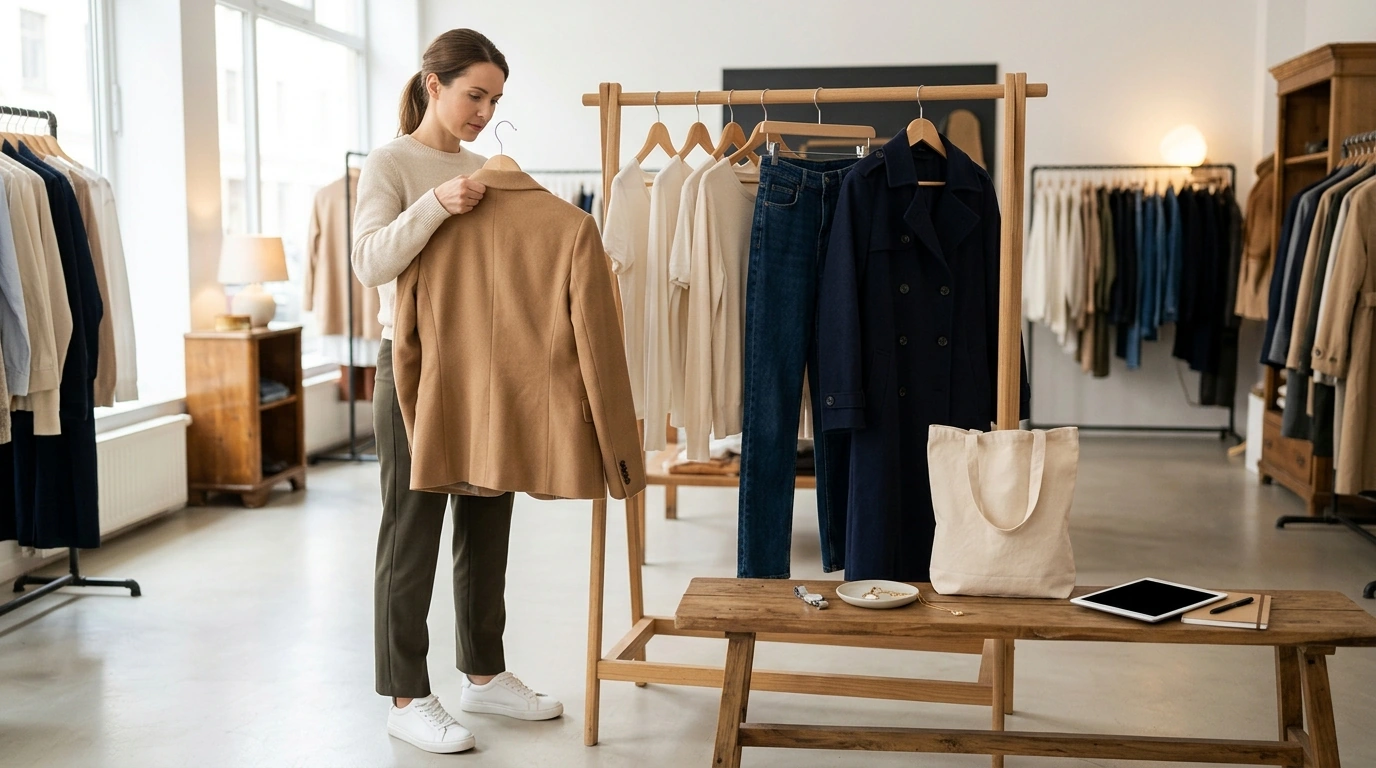
Style on a Dime: A repeatable system for looking put-together on a budget
Looking polished doesn’t require constant hauls or designer labels. The fastest path to affordable, consistent personal style is a repeatable system: shop with a plan, learn what to look for secondhand, and build outfits around versatile pieces that earn their keep. Style on a Dime: The Guide to Budget-Friendly Fashion Tips | Affordable Style, Thrift Shopping Secrets & Wardrobe Planning eBook is built around that system—mixing budget-friendly fashion strategy, thrift shopping know-how, and wardrobe planning so outfits feel intentional instead of improvised.
Instead of chasing “more,” the focus is on decision rules: what to buy, what to skip, and how to make each addition work with what you already own. The payoff is a closet that’s easier to use, easier to maintain, and far less expensive to upgrade over time.
What this eBook helps solve (and what changes first)
- Stops random purchases by using a clear wardrobe goal, an outfit-gaps list, and simple shopping rules.
- Replaces trend-chasing with a personal style baseline: colors, silhouettes, and go-to outfit formulas.
- Makes thrifting predictable by focusing on fabric, construction, fit potential, and easy alterations.
- Reduces decision fatigue with fewer pieces that create more combinations and less clutter.
That “first change” is usually mental: shopping shifts from entertainment to problem-solving. The closet becomes a toolkit, not a storage unit.
Budget-friendly style principles that don’t depend on brand names
1) Prioritize wear frequency
Spend your time and budget on items you can realistically wear weekly—shoes, outerwear, everyday tops, and reliable bottoms. Occasion-only pieces can wait until the calendar demands them.
2) Build a tight color story
Choose 2–3 neutrals (like black, navy, camel, cream, gray) and 1–2 accent colors you love. A tighter palette makes inexpensive pieces look cohesive and dramatically multiplies mix-and-match options.
3) Use silhouette balance to look “styled” in basics
Pair fitted with relaxed: a slim top with wide-leg pants, a boxy sweater with straight jeans, or a tailored blazer over a simple tee. When proportions feel intentional, even budget basics read elevated.
4) Upgrade the “finished” details
The quickest polish comes from small habits: clean shoes, lint-free fabrics, pressed/steamed garments, and simple jewelry. A $12 tee looks sharper when the hem sits right and the neckline isn’t stretched.
5) Avoid false savings with cost-per-wear thinking
Ultra-low-quality items that pill, warp, or lose shape after a few washes aren’t bargains. A slightly higher-priced piece that looks good for 50 wears is often the cheaper option in the long run.
Thrift shopping secrets that consistently find better pieces
Start with fabric content (not the label)
Scan tags early. Prioritize cotton, wool, linen, silk blends, and sturdy denim; be cautious with thin polyester knits that snag, shine, or cling unpredictably. Quality fabric is the foundation of a “newer-looking” secondhand find.
Inspect high-wear zones before you commit
Check underarms, inner thighs, hems, collars, cuffs, and zippers. If those areas are worn out, the piece will look tired no matter how good it seemed on the hanger.
Shop with a category mission
Use fit-potential rules
Learn the rhythms
Wardrobe planning that creates outfits, not just a closet
Simple planning map: from gaps to smarter purchases
| Step | What to do | Outcome |
|---|---|---|
| 1. Closet snapshot | List what gets worn weekly vs. ignored | Highlights what already works |
| 2. Outfit gaps | Write 5 missing items that would complete existing outfits | Creates a focused shopping list |
| 3. Rules for buying | Set limits (colors, fabrics, max price, tailoring allowed) | Prevents impulse purchases |
| 4. Try-on and test | Move, sit, and check layering with items you own | Ensures real-life wearability |
| 5. Cost-per-wear | Estimate uses per season before purchasing | Directs budget to high-impact items |
Stretch what you already own: fit fixes, care, and small upgrades
These steps also support lower waste: extending garment life reduces the churn that sends textiles into the waste stream (see the U.S. EPA textiles data for context). And when shopping “eco” claims, it helps to recognize what’s substantiated versus vague (the FTC Green Guides are the gold standard reference).
A realistic monthly budget plan for clothing (without feeling deprived)
Recommended picks to support your style reset
- Style on a Dime: The Guide to Budget-Friendly Fashion Tips | Affordable Style, Thrift Shopping Secrets & Wardrobe Planning eBook ($11.99) — the step-by-step system for planning, thrifting, and building outfits that repeat well.
- HiFi Dynamic Driver Earbuds ($114.01) — helpful for longer thrift runs and try-on sessions when you want hands-free calls or a focused shopping playlist.
- Natural Marble Tissue Box with Gold Accents ($212.47) — a small “finishing touch” for a dresser or closet shelf that makes the getting-ready space feel more intentional.
Get the eBook and start with a simple first week
FAQ
Is thrifting still worth it if tailoring is needed?
Yes—hemming, button swaps, and minor waist adjustments are often cost-effective, especially for higher-quality fabrics. Skip major shoulder or armhole alterations on structured pieces, and compare the total cost (item + tailoring) to how many wears you’ll realistically get.
How many pieces are enough for a budget-friendly wardrobe?
There isn’t one magic number; a practical range is often 30–60 core pieces per season depending on work needs and climate. The better benchmark is whether you can repeat 3–5 outfit formulas across your real life (work, casual, events, and weather).
What should be bought new instead of secondhand?
Underwear and items with hygiene or fit-critical wear (like certain shoes) are often best new, unless the condition is clearly excellent. Prioritize new when comfort, cushioning, or precise fit determines whether you’ll actually wear the item.











Leave a comment