Rectangle Body Shape Style Checklist: Easy Outfit Wins
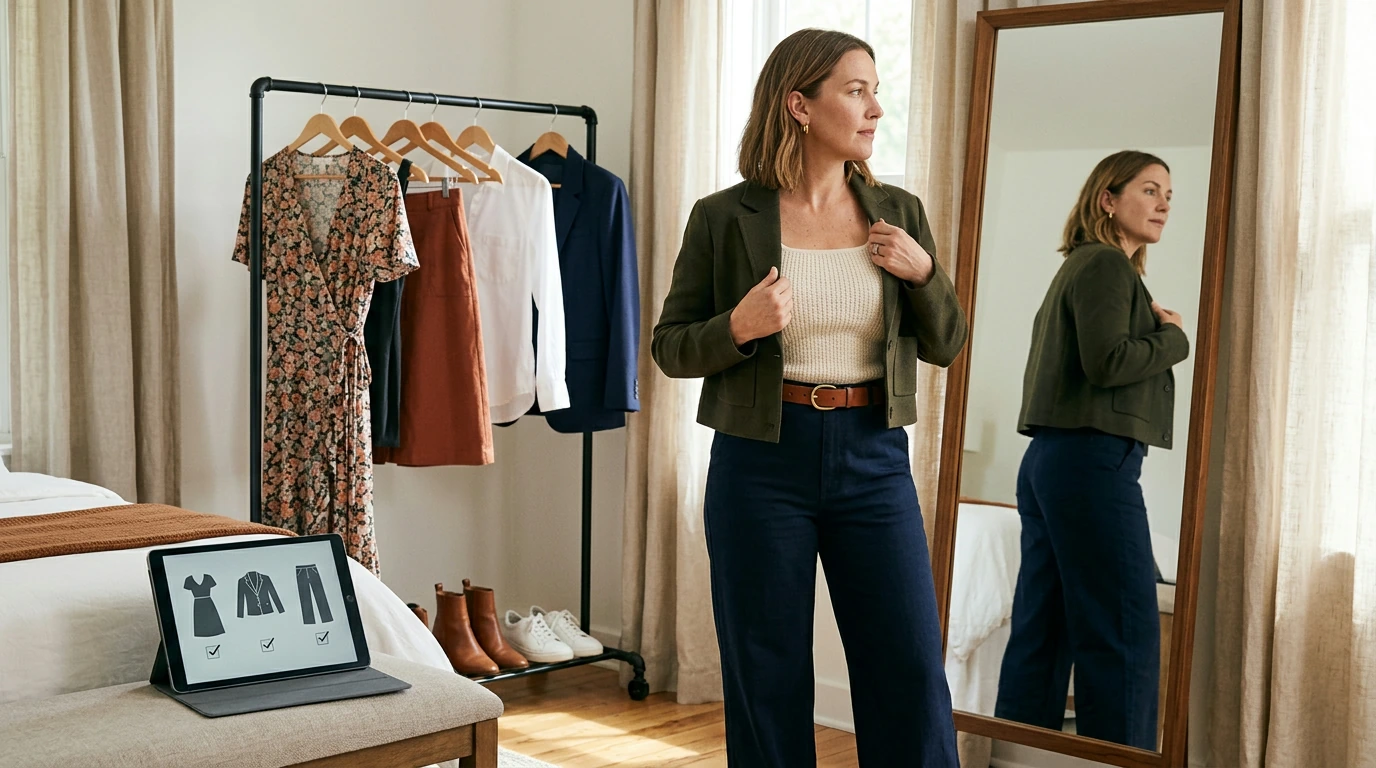
Style Checklist for Rectangle Body Shape: Flattering Outfits, Easy Proportions, and Wardrobe Inspiration
A rectangle body shape often looks balanced and athletic, with shoulders, waist, and hips sitting close in width. The goal isn’t to “fix” anything—it’s to choose outfits that create the silhouette you want day to day: more waist definition, more curve, more length, or a crisp, straight line. Use the checklist approach below to build outfits quickly, shop with fewer regrets, and keep your wardrobe feeling intentional. For more guidance, see How to Dress a Rectangle Body Type – The Well Dressed Life.
Start with a quick rectangle-body check
- Typical traits: shoulders and hips appear similar in width; waist definition is subtle; torso can read straight up-and-down.
- Style goals to choose from (pick one per outfit): define waist, add curves at hips/bust, elongate legs, emphasize shoulders, or lean into a sleek column.
- Best mindset for outfit building: create contrast (structure vs. softness, fitted vs. volume, light vs. dark) rather than relying on one “perfect” silhouette.
For a helpful refresher on the way body shapes are commonly described, Good Housekeeping’s body-shape overview offers a straightforward breakdown. Color placement also matters more than most people expect; Britannica’s explanation of color basics is a useful reference when building contrast with light/dark or bright/neutral pieces.
The core outfit formula: structure + shape + finish
- Structure: choose one structured element (blazer, crisp shirt, tailored trouser, stiff denim) to keep the look polished and proportional.
- Shape: add one deliberate shaping tool (belt, wrap, peplum, ruching, curved seams, A-line skirt, paperbag waist) to create definition where desired.
- Finish: complete with a focal point (statement earrings, scarf, bag color pop, patterned shoe) so the eye moves intentionally across the outfit.
| Step | What to pick | Why it works | Fast examples |
|---|---|---|---|
| 1. Structure | Tailored layer or crisp base | Creates clean lines and prevents outfits from feeling flat | Cropped blazer; structured denim jacket; button-down |
| 2. Shape | Waist/hip/bust definition detail | Adds curves or contrast in a controlled way | Belt; wrap top; A-line skirt; high-rise pleated pants |
| 3. Finish | Intentional focal point | Directs attention and balances proportions | Bold necklace; pointed-toe flats; patterned bag |
If you want a quick, printable way to apply the formula without overthinking, the Style Checklist for Rectangle Body Shape – Digital Download Guide for Flattering Outfits, Styles & Wardrobe Inspiration is an easy reference for planning outfits, packing, or closet edits.
Tops checklist: necklines, sleeves, and strategic volume
- Necklines that add dimension: scoop, sweetheart, square, wrap, and soft V-necks create gentle curvature near the bust and keep the upper half from reading “flat.”
- Shoulder-enhancing options: structured shoulders, subtle puff sleeves, cap sleeves, or shoulder detailing can add presence up top (especially useful with wide-leg bottoms).
- Waist-creating cuts: wrap tops, tie-fronts, peplums, ruched sides, and tops with curved seams build definition without needing tight compression.
- Length rules of thumb: cropped to high-hip visually lengthens legs; mid-hip works for coverage when the fabric has structure; skip long, shapeless tunics unless belted and paired with a slim bottom.
Quick pairing idea: a square-neck knit + high-rise jeans + a cropped jacket creates structure and a clear waist point while still feeling relaxed.
Bottoms checklist: define waist, add hip curve, elongate legs
- High-rise bottoms are a reliable go-to: they establish a clear waist point and often make legs look longer—especially with a half-tuck or cropped top.
- Silhouettes that add curve: paperbag waist, pleats, tapered trousers, wide-leg with a fitted waist, A-line skirts, and bias-cut midi skirts add movement and shape.
- Denim tips: look for contoured waistbands, strategic pocket placement, and structured denim to avoid a boxy effect through the seat and hips.
- If you choose straight-leg or slim silhouettes: pair with a top that adds interest (volume sleeve, wrap detail, cropped jacket) so the outfit doesn’t read overly linear.
Try a “contrast swap” when an outfit feels too straight: keep straight-leg jeans, but switch the top to a wrap blouse or add a belt and a structured bag.
Dresses checklist: the easiest one-and-done options
Outerwear and layering: instant proportion upgrades
Print, color, and accessories: make the silhouette feel intentional
Use a ready-to-print checklist for faster outfits
Optional “getting ready” upgrades can make outfit planning feel smoother: listen to a playlist while styling with HiFi Dynamic Driver Earbuds, or keep accessories tidy on a dresser/vanity setup (a polished home detail like the Natural Marble Tissue Box with Gold Accents can elevate the space where you do final outfit checks).
FAQ
What outfits flatter a rectangle body shape the most?
Use a simple formula: add one waist-defining element (belt, wrap, peplum) plus one balancing piece (A-line skirt, wide-leg with a fitted waist, or a structured blazer). Easy examples: wrap top + high-rise wide-leg pants + pointed-toe flats; cropped blazer + fitted tee + A-line midi skirt; belted shirt dress + statement earrings.
Do rectangle body shapes need to define the waist to look good?
No—waist definition is a styling choice, not a requirement. A sleek column outfit can look sharp and modern, and you can also shift emphasis to shoulders (structured sleeves) or legs (high-rise + streamlined shoe) depending on your vibe and the occasion.
How can a rectangle body shape look curvier without uncomfortable shapewear?
Rely on clothing-based shaping: wrap tops, ruching, curved seams, pleats, and A-line or bias-cut silhouettes add curve through fabric and proportion. Strategic color blocking (lighter at bust/hips, darker at waist) and simple tailoring (like taking in a waist seam) can create subtle definition without squeezing.











Leave a comment