Evening Reset Biohacks: 60-Min Night Routine to Sleep
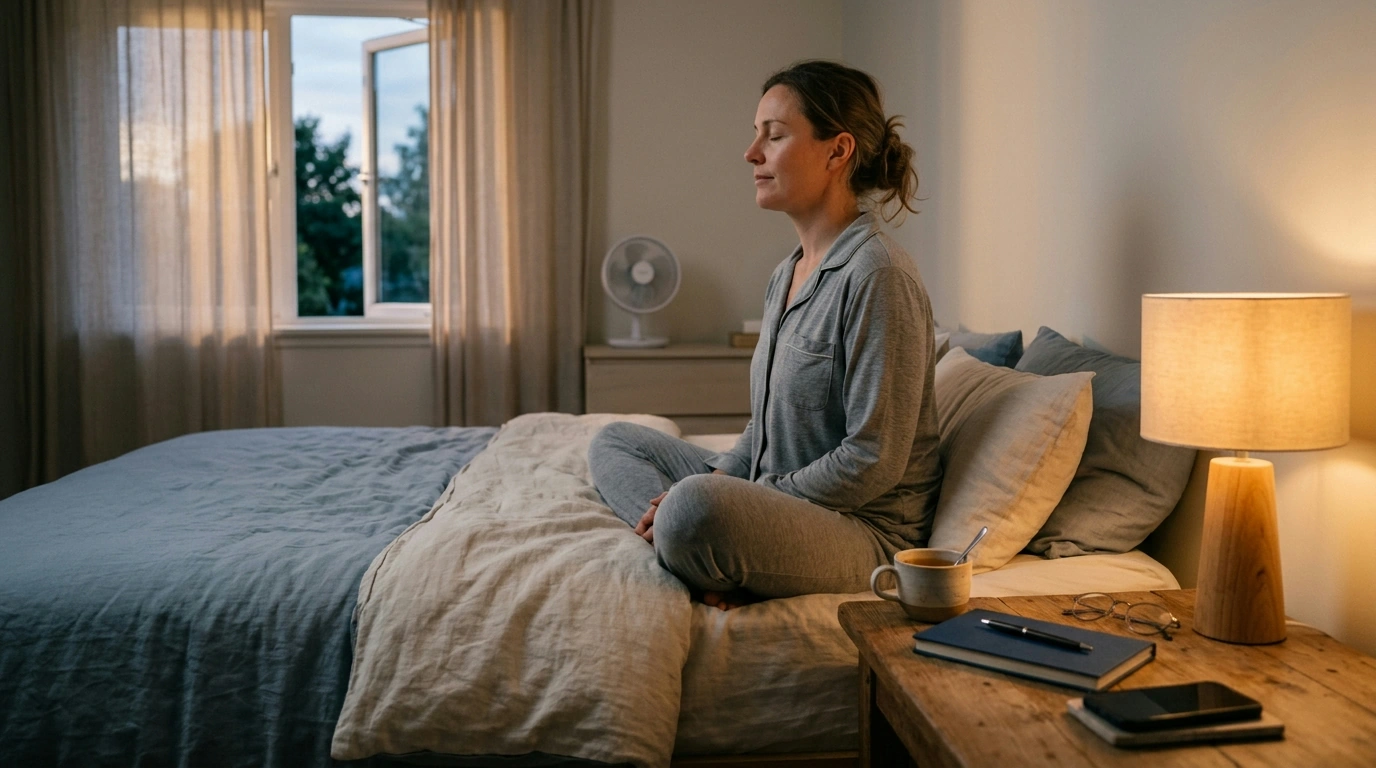
Evening Reset Biohacks: A Simple Night Routine for Better Sleep, Lower Stress, and Real Recovery
Evenings quietly decide how well the body repairs overnight. When the last part of the day stays bright, loud, and mentally “open,” the nervous system often stays on alert—making it harder to fall asleep, stay asleep, and wake up feeling truly recovered. The good news: a reset doesn’t need to be perfect or long. A few targeted adjustments—light, temperature, timing, breathing, and mental downshifting—can create a reliable glide path into sleep.
Health organizations consistently emphasize the basics of sleep hygiene—routine, environment, and wind-down behaviors—as foundational supports for better rest. Helpful references include the National Sleep Foundation’s sleep hygiene guide and the CDC’s sleep resources.
What an “Evening Reset” Really Changes
An evening reset is less about strict rules and more about sending the body clear signals: “the day is over; recovery is next.” Done consistently, it can shift both physiology and behavior in ways that make sleep easier to access.
- Nervous system downshift: reduces stimulation and adds calming cues so the body can move from high-alert into recovery mode.
- Melatonin-friendly light habits: managing evening brightness and screens helps support natural sleep timing.
- Better sleep pressure: consistent timing and lighter late-night inputs can improve sleep depth and continuity.
- Fewer racing thoughts: predictable wind-down patterns reduce bedtime procrastination and mental looping.
- Small levers that compound: environment, breath, temperature, and “mental off-ramps” add up over time.
The 60–90 Minute Nighttime Renewal Flow (Pick 3–5 Steps)
Use this as a flexible menu. On busy nights, choose the quickest options. On high-stress nights, prioritize body-based steps (breathing or temperature shift) plus one mind step (closure writing).
| Step | Time needed | Why it helps | Easiest version |
|---|---|---|---|
| Dim lights + screen cutback | 2–5 min | Supports natural sleep timing | Turn on lamps, enable night mode |
| Warm shower then cool room | 10–20 min | Promotes sleepy body temperature shift | Wash face/hands warm, then cool bedroom |
| Gentle mobility | 5–10 min | Releases physical stress | Neck/hip circles + forward fold |
| Exhale-focused breathing | 3–8 min | Calms the stress response | 6 slow breaths with longer exhales |
| Brain dump + tomorrow list | 5 min | Reduces rumination | Write 5 lines, close notebook |
- Light: dim overhead lighting, switch to warm lamps, and reduce screen brightness so the brain recognizes “night.”
- Temperature: aim for a cooler bedroom; a warm shower 60–90 minutes before bed can set up a helpful warm-to-cool transition.
- Nutrition timing: finish heavy meals earlier; if needed, keep late snacks small and simple.
- Movement: 5–10 minutes of gentle mobility to release tension without spiking adrenaline.
- Breathing: try an exhale-led pattern like 4 seconds in, 6–8 seconds out to signal safety and calm.
- Mind closure: write tomorrow’s top 3 tasks plus one “done list” item to reduce mental looping.
- Sound: stable, low-volume background noise can help when the environment is unpredictable.
- Scent cue: a consistent calming scent (lavender/chamomile) can become a behavioral anchor for winding down.
Evening Recovery Biohacks for Stress Relief (Without Turning Bedtime Into a Project)
The simplest routine is the one that actually happens. These ideas keep the “reset” light, repeatable, and resilient—even when the day runs long.
If sound helps you stay consistent, a comfortable pair of earbuds can make a short calming track or steady noise easier to stick with. The HiFi Dynamic Driver Earbuds are a simple option for winding down with gentle audio at low volume.
Bedroom Setup That Makes the Routine Stick
If Falling Asleep Is the Problem vs. If Staying Asleep Is the Problem
- Trouble falling asleep: emphasize stimulation reduction, an earlier caffeine cutoff, and a consistent pre-bed cue.
- Racing thoughts: add the brain-dump step plus a short breathing downshift.
- Waking at 2–4 a.m.: avoid clock-checking; keep lights low; use calm breathing and return to bed when sleepy.
- Restless sleep: review late meals, alcohol, overheating, and inconsistent bed/wake times.
- When to get help: if sleep issues are persistent or severe, or paired with loud snoring/gasping, consider a professional evaluation. For additional background, the NHLBI’s healthy sleep information is a solid starting point.
A Practical Guide to Build a Consistent Night Routine
For a step-by-step structure that’s easy to repeat, the Evening Reset Biohacks Ebook works well as a nightly checklist and progression plan.
Evening Reset Biohacks Ebook: What It Includes and Who It’s For
| Item | Format | Best for | Price |
|---|---|---|---|
| Evening Reset Biohacks Ebook | Ebook | Sleep support, stress relief, nighttime routine | 14.99 USD |
FAQ
How long does an evening reset need to be to work?
Consistency matters more than duration. Even 10–20 minutes can be enough if you repeat the same 3 steps nightly and keep them easy to start.
What should be avoided in the last hour before bed?
Skip bright light, intense content, heavy meals, late caffeine or alcohol, high-intensity workouts, and work/email. Swap in dim lighting, a small simple snack if needed, gentle stretching, and a short breathing pattern.
Can these habits help with stress even if sleep doesn’t improve immediately?
Yes—downshifting light, breath, and temperature can reduce evening tension even before sleep changes show up. Give the routine a steady two-week trial so your body can learn the pattern.










Leave a comment