50s Retro Chic Style: Modern Outfits That Don’t Look Costume
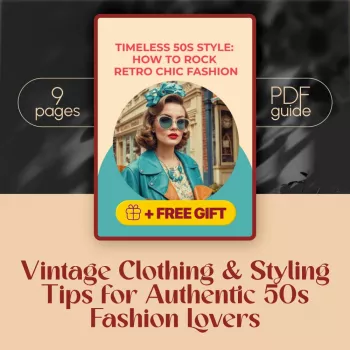
Timeless 50s Style: How to Dress Retro-Chic Without Looking Costume
Retro-chic is less about copying a decade and more about capturing its silhouette, polish, and playful details. The 1950s made shape and styling feel intentional: defined waists, full skirts, neat necklines, and accessories that finish a look in seconds. With a few smart swaps—mixing vintage finds with modern basics—it’s easy to get that mid-century “put-together” energy while still feeling like yourself. For more guidance, see Vintage Clothing Styling: Transform Your Outfits.
What Makes 50s Style Instantly Recognizable
The fastest route to authentic 1950s-inspired dressing is to focus on proportion. The era is known for an emphasized waist and clean, deliberate lines—never accidental, never sloppy. For further reading, see A Beginner’s Guide To Wearing Vintage Clothing.
- Silhouette first: a nipped-in waist with either a full skirt (circle, gathered) or a slim pencil shape.
- Necklines and sleeves: boat, sweetheart, and scoop necks; cap sleeves, short sleeves, and fitted cardigans.
- Fabrics and prints: cotton, poplin, and wool blends; polka dots, gingham, florals, and novelty prints.
- Polish details: belts, structured bags, clean hems, and coordinated accessories.
- Balance matters: if one element is bold (a print or a full skirt), keep the rest streamlined.
50s Staples and Easy Modern Substitutes
| 50s-inspired piece | Why it works | Modern substitute | Styling tip |
|---|---|---|---|
| Circle skirt | Creates the classic hourglass shape | High-waist midi skirt with volume | Add a belt and tuck in a fitted knit |
| Pencil skirt | Clean, tailored line | Stretch midi pencil skirt | Pair with a tucked blouse and low heels |
| Shirt dress | All-in-one vintage silhouette | Button-front belted dress | Roll sleeves and add a scarf at the neck |
| Cardigan set | Soft structure and warmth | Fitted cardigan + shell top | Button only the top button for a vintage vibe |
| Cat-eye sunglasses | Iconic accessory shape | Slight cat-eye frames | Match frame color to shoes or bag |
Building a 50s Capsule Wardrobe (Vintage Finds + Modern Basics)
A capsule approach keeps retro style wearable: fewer pieces, better fit, stronger outfits. Start with foundation items that naturally create 1950s proportion, then add small personality touches.
- Start with 2 bottoms: one full (circle/gathered) and one slim (pencil).
- Add 3 tops: a fitted tee, a crisp blouse, and a knit/cardigan that sits at the waist.
- Choose 1–2 dresses: a shirt dress and a party-ready fit-and-flare.
- Layering pieces: cropped jacket, cardigan, or short trench to keep proportions correct.
- Color plan: pick a core neutral (navy/black/cream) and 2 accent colors for easy mixing.
- Prioritize comfort upgrades: breathable fabrics, stretch panels, and supportive undergarments.
For deeper outfit-building help and era-specific styling pointers, Timeless 50s Style: How to Rock Retro Chic Fashion – Vintage Clothing Guide (eBook) is a handy reference to keep on your phone while you shop and style.
Outfit Formulas That Look Retro (Not Like a Costume)
Costume happens when every detail screams “period piece” at the same volume. Instead, build outfits from a repeatable template—then turn up one dial at a time (shape, print, or accessory).
- Everyday polish: high-waist skirt + fitted tee + cardigan + flats (finish with a belt).
- Work-ready: pencil skirt + blouse + low heel + structured bag; keep prints minimal.
- Weekend casual: high-rise jeans with a tucked knit top and a scarf; add cat-eye frames.
- Date night: fit-and-flare dress + heels + small clutch; choose one statement accessory.
- Cool-weather: tights + wool skirt + fitted sweater + cropped jacket; keep hems neat.
- One vintage piece rule: if wearing a true vintage dress, keep modern hair/makeup simpler (or reverse).
If you like setting a “getting ready” mood, a small detail like HiFi Dynamic Driver Earbuds can turn a quick outfit session into a mini ritual—music on, belt on, lipstick on, out the door.
Accessories, Hair, and Makeup: The Fastest Way to Signal the Era
If clothing creates the silhouette, accessories deliver the decade. The 1950s leaned coordinated and intentional, so choose pieces that look finished—not fussy.
- Belts define the waist; medium-width styles look most authentic for daywear.
- Shoes: ballet flats, kitten heels, classic pumps, or saddle shoes for a playful twist.
- Bags: structured top-handle bags instantly read “50s” more than slouchy totes.
- Jewelry: pearls, small hoops, and delicate brooches add shine without overpowering.
- Hair shortcuts: soft waves, a neat pony, or a scarf/headband for vintage energy in minutes.
- Makeup cues: defined brows, eyeliner flick, and a satin lipstick; keep complexion natural.
Even your getting-ready space can reinforce that polished vibe. A tidy vanity detail like a Natural Marble Tissue Box with Gold Accents complements the era’s love of refined finishing touches.
Finding and Caring for Vintage Clothing (So It Lasts)
True vintage can be magical, but it’s also delicate. Shop like a curator: verify fit with measurements, inspect condition carefully, and treat garments gently so they stay wearable for years.
For broader fashion history context (useful when dating silhouettes and details), the Victoria and Albert Museum’s fashion articles and The Met’s Heilbrunn Timeline of Art History are excellent references.
A Simple Path to Authentic 50s Style
FAQ
How can 50s style look modern and not like a costume?
Lead with one strong 50s element—usually the silhouette or a standout accessory—then keep everything else clean and current. Modern fabrics, simple colors, and minimal layering prevent the look from feeling like a themed outfit.
What are the easiest 50s-inspired pieces to start with?
A belted shirt dress, a high-waist midi skirt, and a fitted cardigan do most of the work. Add classic pumps or flats, then finish with a scarf or subtle cat-eye frames for instant retro impact.
How do vintage sizes compare to modern sizes?
Vintage sizing often runs smaller and varies a lot by brand and decade, so the tag number isn’t reliable. Compare the garment’s measurements (bust, waist, hips, and shoulder width) to a piece you already own and love.











Leave a comment