Leftover Makeovers: Storage, Flavor Boosters & Remix Meals
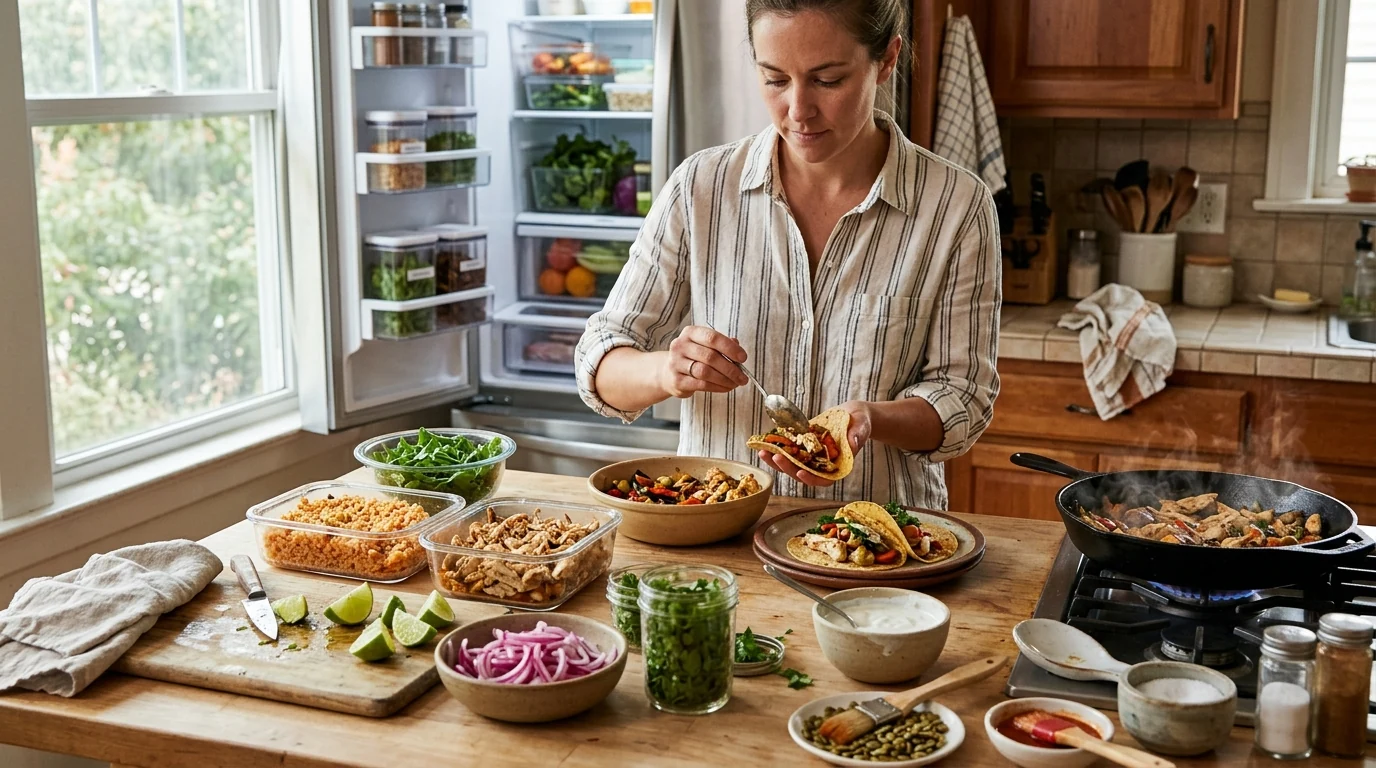
How to Transform Leftovers into Fresh New Meals
Leftovers can become quick, satisfying meals when they’re stored safely, refreshed with the right flavor boosters, and repurposed using a few reliable “remix” formulas. With a handful of smart habits—cooling food promptly, portioning for easy reheats, and finishing with fresh, high-impact toppings—yesterday’s dinner can taste intentional instead of secondhand.
If you want a ready-to-reference resource you can keep on hand for weeknights, How to Transform Leftovers into Fresh New Meals | Ultimate Guide with Creative Recipes for Using Leftovers, Smart Storage Tips, and Meal Planning Ideas is a simple way to keep your best remix ideas in one place.
Start with a Safe, Fresh Baseline
Before you upgrade flavor, lock in food safety. Good storage practices protect taste and texture—and reduce the risk of foodborne illness.
- Cool food promptly: Divide large portions into shallow containers so they chill faster and spend less time in the “danger zone.”
- Follow the 2-hour rule: Refrigerate or freeze within 2 hours at room temperature (1 hour if it’s hot, like a picnic or warm kitchen).
- Reheat thoroughly: Heat leftovers until steaming hot; for soups and sauces, a rolling boil can help reawaken flavor and ensure even heat.
- Label with a plan: Write the date and your intended “remix” (tacos, fried rice, soup) on the lid to cut decision fatigue on busy nights.
For more detailed safety guidelines, see the USDA Food Safety and Inspection Service: Leftovers and Food Safety and the FDA: Food Storage and Safety.
Storage That Protects Flavor and Texture
Most “sad leftovers” problems are really moisture and texture problems. A few small tweaks keep food tasting closer to day-one.
- Separate components when possible: Store grains, proteins, sauces, and crunchy toppings in different containers to prevent sogginess.
- Add a moisture buffer: Use a paper towel for washed greens, and keep dressings or wet toppings on the side.
- Freeze in portions: Single-meal packs prevent repeated thawing and make weeknight dinners faster.
- Revive with technique: Re-crisp roasted vegetables in a hot skillet, oven, or air fryer; steam rice with a splash of water; thin sauces with stock/water and re-season at the end.
Quick storage guide for common leftovers
| Food type | Refrigerator (approx.) | Freezer (best quality) | Best way to reheat/refresh |
|---|---|---|---|
| Cooked rice & grains | 3–4 days | 1–2 months | Microwave/steam with 1–2 tbsp water; finish in skillet for texture |
| Cooked poultry | 3–4 days | 2–6 months | Gently reheat with broth; shred for tacos/soups to avoid dryness |
| Cooked beef/pork | 3–4 days | 2–3 months | Slice thin; warm in sauce or quick stir-fry |
| Soups & stews | 3–4 days | 2–3 months | Simmer; adjust salt/acid; add fresh herbs at the end |
| Roasted vegetables | 3–4 days | 2–3 months | Oven/air fryer to re-crisp; toss with new seasoning |
| Cooked pasta (sauced) | 3–4 days | 1–2 months | Loosen with splash of water; reheat covered, then uncover to reduce |
The “Remix Formula”: One Leftover, Three New Directions
When you’re tired and hungry, creativity can feel like work. This simple framework turns “random containers” into a real meal plan.
- Choose a base: cooked protein, grains, roasted vegetables, or a finished dish (chili, curry, pasta).
- Pick a format: bowl, wrap, soup, salad, skillet, or bake.
- Add contrast: something crunchy (nuts, toasted breadcrumbs), something bright (lemon, pickles), and something creamy (yogurt, tahini, cheese).
- Finish with a signature: fresh herbs, flavored oil, a spice blend, or a quick sauce that changes the meal’s “personality.”
To make the process feel less repetitive, set a “new format” rule: if last night was a bowl, tonight must be a wrap, skillet, or bake. The same ingredients will read as a different meal.
Creative Recipe Ideas by Leftover Type
Leftover roast chicken
- Chicken tinga tacos: Simmer shredded chicken with canned tomatoes and chipotle; finish with lime and pickled onions.
- Sesame-ginger lettuce wraps: Toss with soy-sesame sauce, add shredded carrots, top with crushed peanuts.
- Lemony chicken orzo soup: Add broth, orzo, spinach, and lemon at the end for a clean, “fresh-cooked” taste.
Leftover rice
Leftover roasted vegetables
Leftover pasta
Leftover chili or stew
Flavor Boosters That Make Leftovers Taste Brand-New
For a more enjoyable meal-prep rhythm, pairing your kitchen routine with something you actually like—music, podcasts, or audiobooks—can help. HiFi Dynamic Driver Earbuds are a simple upgrade if you want clearer sound while you chop, sauté, and portion meals.
Meal Planning That Prevents Leftover Fatigue
Small household touches can make “leftover nights” feel more like a real sit-down meal. If you like a tidy, elevated table or countertop setup, the Natural Marble Tissue Box with Gold Accents adds a polished finish without extra effort.
When to Freeze, When to Eat, When to Toss
FAQ
How long can leftovers stay in the fridge?
Many cooked leftovers keep well for about 3–4 days when refrigerated promptly and stored in sealed containers. Labeling dates helps you track timing, and if anything smells or looks off, it’s safer to toss it rather than rely on taste-testing.
What are the best ways to make leftovers taste fresh again?
Use heat methods that restore texture (re-crisp in an oven/skillet, steam rice with a splash of water), then add brightness with lemon or vinegar. Finish with fresh herbs and a new sauce or spice blend to change the overall flavor direction.
Can leftovers be reheated more than once?
It’s best to reheat only what you plan to eat and keep the rest chilled, since repeated reheating can hurt quality and complicate safe handling. Portioning into single-meal containers makes it easier to heat once, eat, and move on.











Leave a comment