Lean Protein Checklist: Daily Checkpoints That Work
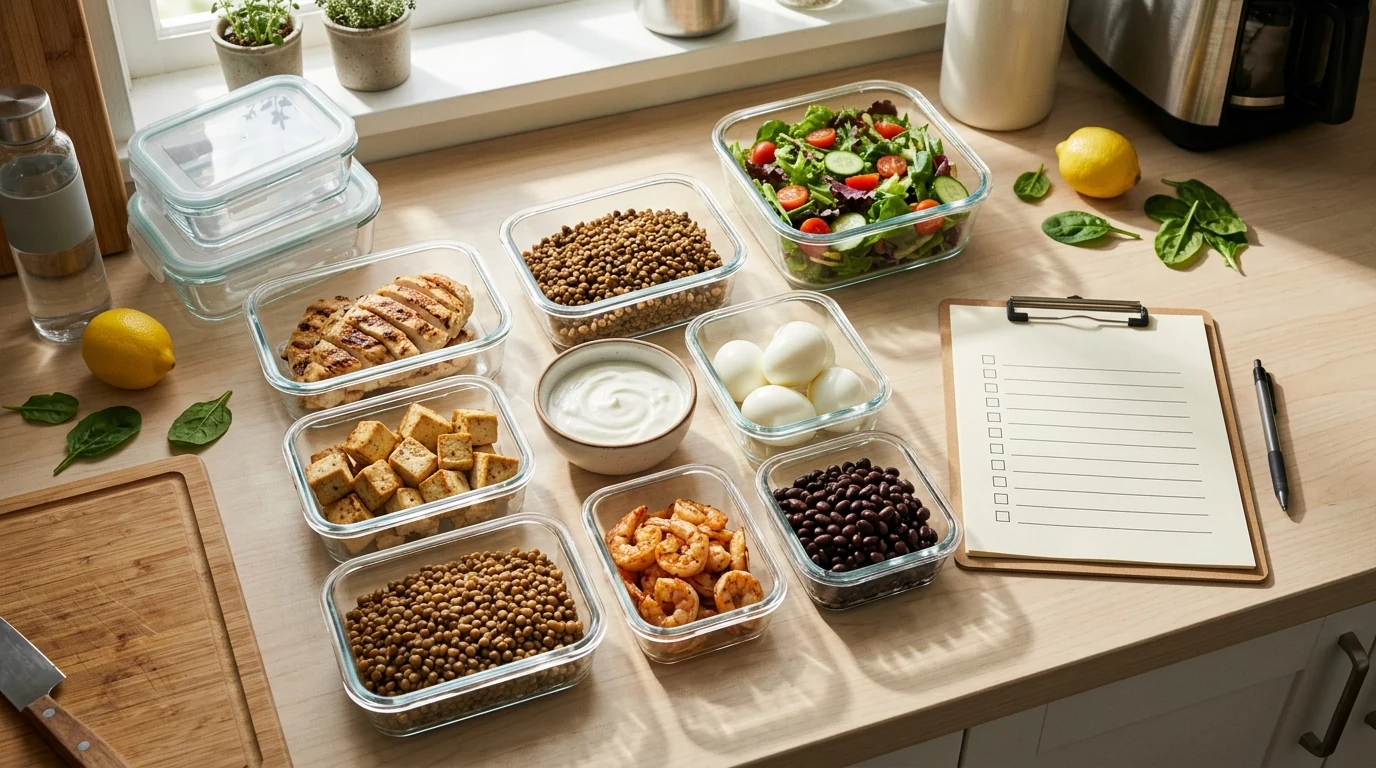
The Lean & Clean Protein Checklist: A Simple Daily System for Hitting Your Protein Goal
Getting enough lean protein can feel repetitive, confusing, or time-consuming—especially on busy days. A checklist-style approach turns protein into a clear daily target with flexible food options, simple portion cues, and quick wins that support steady energy and balanced meals.
Why lean protein matters for everyday eating
- Helps support fullness between meals and steadier cravings throughout the day
- Provides amino acids used to maintain and build muscle tissue, especially when paired with resistance training
- Makes meal planning easier by anchoring each meal around one clear component
- Can support body-composition goals when combined with overall calorie awareness and consistent habits
What “lean” and “clean” can mean without getting complicated
- Lean: protein sources that deliver high protein for relatively fewer calories and less saturated fat (examples: poultry breast, fish, low-fat dairy, beans, tofu)
- Clean: minimally processed options more often, while still leaving room for convenient staples (canned tuna, frozen shrimp, rotisserie chicken, microwaveable lentils)
- No perfection required: consistency beats strict rules—aim for “better most days,” not “perfect every day”
If “clean eating” ever starts to feel like an all-or-nothing test, simplify the standard: pick foods that make it easier to hit your protein goal with fewer add-ons, and keep convenience foods that remove friction on hectic days.
A daily checklist method that stays flexible
- Start with a simple daily protein target range based on body size, activity, and goals (a clinician or dietitian can personalize this)
- Break the day into 3–5 protein “checkpoints” (breakfast, lunch, dinner, plus 0–2 snacks)
- Use repeatable “default” meals for busy days and swap proteins to prevent boredom
- Keep a short list of go-to proteins at home and a short list of “order-anywhere” options when eating out
Daily protein checkpoints (example framework)
| Checkpoint | Goal | Easy protein picks | Add-on to make it more filling |
|---|---|---|---|
| Breakfast | 1 protein serving | Greek yogurt, eggs/egg whites, cottage cheese, protein smoothie | Fruit + oats or whole-grain toast |
| Lunch | 1 protein serving | Chicken/turkey, tuna, tofu, lentils, tempeh | Big salad or veggie bowl + olive oil dressing |
| Snack (optional) | 0–1 protein serving | Jerky, edamame, protein yogurt, shake, string cheese | Crunchy veggies or a handful of nuts |
| Dinner | 1 protein serving | Fish, lean beef, shrimp, beans, turkey chili | Roasted vegetables + potatoes/rice |
| Evening (optional) | 0–1 protein serving | Cottage cheese, casein-style shake, soy yogurt | Berries or cinnamon for flavor |
Lean protein choices that work in real life
- Animal-based options: chicken breast, turkey, white fish, salmon (higher fat but nutrient-dense), shrimp, eggs/egg whites, low-fat Greek yogurt, cottage cheese
- Plant-based options: tofu, tempeh, edamame, lentils, chickpeas, black beans, seitan (if tolerated), high-protein soy yogurt
- Convenience wins: frozen grilled chicken strips, canned fish, pre-cooked lentils, bagged salad kits, microwave rice/veg
- Budget-friendly staples: eggs, canned tuna/sardines, dried beans/lentils, family packs of chicken, store-brand Greek yogurt
For quick decision-making, keep two “no-cook” proteins (Greek yogurt, canned fish), two “heat-and-eat” proteins (frozen shrimp, rotisserie chicken), and two “batch” proteins (baked tofu, a pot of lentils) in regular rotation.
Portion cues when counting grams isn’t the goal
- Use a simple serving concept: include a clearly visible protein portion at each main meal
- Hand-based cue: a palm-sized portion of lean meat/fish at meals is a practical starting point for many adults (needs vary)
- For plant proteins, plan slightly larger portions or combine sources (beans + tofu, lentils + whole grains) to reach similar protein totals
- If tracking is preferred, treat it as a short-term learning tool rather than a lifelong requirement
If you’re unsure what “enough” looks like, use a two-week learning phase: loosely check labels or log meals a few times, then return to portions once your eyes are calibrated.
Common protein “gaps” and quick fixes
Make it printable: a fridge-friendly checklist routine
Printable tool to keep protein consistent
Recommended picks (in stock)
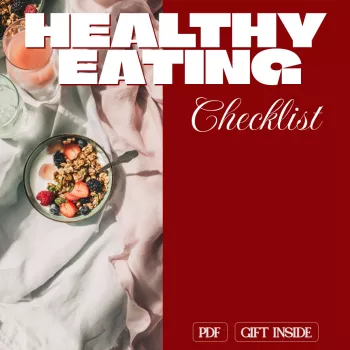
- The Lean & Clean Protein Checklist (Printable PDF) — a one-page, checkpoint-based system you can post on the fridge.
- HiFi Dynamic Driver Earbuds — a simple upgrade for walks, workouts, or meal-prep sessions when you want a consistent routine.
- Natural Marble Tissue Box with Gold Accents — a countertop-friendly staple for quick kitchen cleanup during prep.
Helpful references for protein basics
- NIH Office of Dietary Supplements: Dietary Reference Intakes (DRI)
- Harvard T.H. Chan School of Public Health — Protein
- USDA FoodData Central (useful for checking protein per serving)
FAQ
How much protein is needed per day?
Protein needs vary by body size, age, activity level, and goals. A common baseline is the RDA of 0.8 g/kg body weight, while many active people use higher ranges; personalized guidance from a clinician or dietitian can be especially helpful if you’re training hard, dieting, or managing a health condition.
What are the best lean protein foods to eat every day?
Practical daily staples include chicken or turkey breast, fish (white fish and salmon), eggs/egg whites, low-fat Greek yogurt or cottage cheese, tofu/tempeh/edamame, and beans or lentils. Rotating a few favorites helps prevent boredom and supports a broader mix of micronutrients.
Is it okay to use protein powder to meet a daily goal?
Yes—protein powder can be a convenient supplement, especially at breakfast or as a snack when whole foods aren’t practical. Choose an option with an ingredient list you tolerate, and treat it as a backup to a foundation of protein-rich meals.











Leave a comment