Men’s Sunglasses Styles: Fit, Lenses & Face Shape
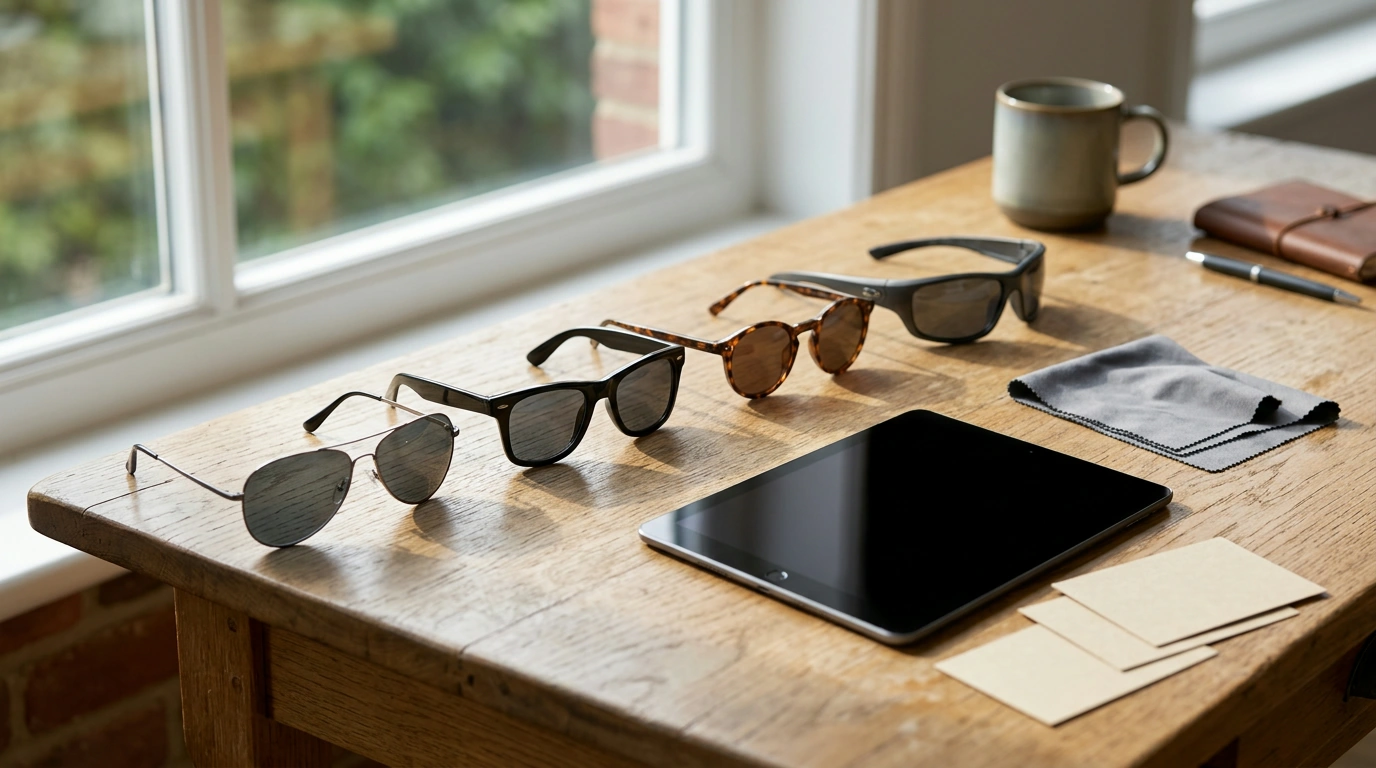
Choosing sunglasses is equal parts fit, function, and personal style. The right pair should sit comfortably for hours, suit your face proportions, and—most importantly—protect your eyes in bright conditions. Below is a practical breakdown of the most popular men’s frame styles (aviators, wayfarers, round, and sporty/wrap), how to match them to face shape, and what to check in lenses and build quality so your next pair looks intentional and performs well.
Start With the Job: Where and How the Sunglasses Will Be Worn
Before picking a silhouette, decide what the sunglasses need to do most days. A frame that looks great at brunch may feel annoying on a long drive, while a wrap style that shines on a trail can feel “too sporty” for everyday outfits.
- Everyday wear: Prioritize comfort, a versatile shape, and lenses that handle mixed light well. Solid tints are classic; gradients can feel lighter indoors while still protecting in sun.
- Driving: Look for glare reduction, a stable fit behind the ears, and tints that preserve contrast (commonly gray or brown). Polarization can be especially helpful on bright roads.
- Sports and active use: Wrap coverage, grippy contact points, impact resistance, and ventilation (to reduce fogging) matter more than “dress” styling.
- Travel and outdoors: Consider stronger coverage, durable frames, and coatings that resist smudges and salt spray. Packability and scratch resistance also become bigger deals.
For eye safety basics, prioritize 100% UVA/UVB protection and reputable labeling standards; the American Academy of Ophthalmology and the CDC both emphasize that UV protection is the non-negotiable starting point.
Frame Styles Explained: What Defines Each Look
Each frame family has telltale geometry. Once you know the “why” behind the look, it’s easier to choose intentionally rather than guessing off a product photo.
- Aviators: Teardrop lenses with a thin metal frame. Classic and slightly bold, with a gentle taper that flatters many face shapes.
- Wayfarers: Thicker acetate (or injected plastic) with angular lines. They can read casual, clean, or smart depending on color and lens tint—often a safe default when unsure.
- Round frames: Circular lenses and softer lines. They can lean vintage or modern depending on thickness, bridge design, and lens color.
- Sporty/wrap frames: Curved fronts with side coverage and performance-first ergonomics. Best in bright conditions and during active movement.
- Details that shift the vibe: Bridge type (saddle vs. double bridge), temple thickness, lens size, and hardware finish (matte vs. polished) can make the same basic shape look very different.
| Style | Best known for | Typical materials | Works well when you want |
|---|---|---|---|
| Aviators | Iconic silhouette with lighter visual weight | Metal, sometimes acetate accents | A classic statement that still feels refined |
| Wayfarers | Strong corners and versatile styling | Acetate, injected plastic | An easy everyday pair that pairs with most outfits |
| Round | Soft, retro-leaning shape | Acetate or metal | A distinctive look that balances sharp features |
| Sport / Wrap | Coverage, stability, and performance | Injected plastic, nylon blends | Maximum glare control and a secure fit on the move |
Face Shape and Proportions: Getting a Balanced Fit
Face-shape “rules” are really about balance: adding structure where features are soft, and softening where features are sharp. Use these as starting points, then prioritize real-world fit.
- Oval faces: Most shapes work; focus on proportion. Avoid frames that are dramatically wider than your cheekbones.
- Round faces: Angular frames (often wayfarers) add definition. Avoid very small round lenses that can emphasize roundness.
- Square faces: Round or aviator shapes can soften angles. Slightly larger lenses often balance a strong jawline.
- Heart or triangle faces: A lighter top line or subtle curve can balance a broader forehead or narrower chin.
- Fit checks that beat labels: Frame width should align near the temples, lenses shouldn’t rest on cheeks when smiling, and the bridge shouldn’t pinch or slide.
Lens Basics That Affect Comfort and Clarity
Two sunglasses can look identical and feel totally different once you step outside. Lenses are where comfort, clarity, and fatigue are decided.
- UV protection: Only trust lenses labeled 100% UVA/UVB protection. A darker tint alone doesn’t guarantee UV safety.
- Polarized lenses: Reduce reflected glare from roads, water, and snow—often a noticeable upgrade for driving and outdoor use.
- Lens materials: Polycarbonate is impact resistant; CR-39 is known for optical clarity and lighter weight; glass resists scratches well but is heavier.
- Tint colors: Gray preserves true color, brown/amber boosts contrast, green balances contrast, and mirrored finishes help in very bright environments.
- Coatings: Backside anti-reflective reduces distracting bounce-back; hydrophobic/oleophobic coatings clean easier; scratch resistance helps longevity.
Sizing and Comfort: Small Details That Prevent Regret
Buying Advice: What to Look for in Build Quality
A Simple Shortlist: Choosing Between Aviators, Wayfarers, Round, and Sporty Frames
Helpful Picks (In Stock)
- The Ultimate Guide to Men’s Sunglasses Styles (Digital Download eBook) — a quick, saveable reference for frame styles, face-shape balancing, and buying checks.
- HiFi Dynamic Driver Earbuds — a useful add-on for travel or long drives when sunglasses and comfort both matter.
FAQ
Do polarized sunglasses make everything look darker?
Polarization mainly cuts reflected glare (like sunlight bouncing off roads or water) rather than simply making the world darker. The actual darkness comes from the tint category, though some people notice a brightness shift when glare is removed and certain digital screens may look odd at specific angles.
How can the right sunglasses make a face look slimmer?
Proportional sizing helps most: frames that are slightly wider at the temples can visually balance the face, while overly small frames can make features look fuller. Angular shapes (like many wayfarers) often add structure that counters roundness.
What matters most: frame style or UV protection?
UV protection matters most for eye health, and it should be non-negotiable. Once lenses are confirmed to provide 100% UVA/UVB protection, then prioritize fit, comfort, and the frame style that suits your face and lifestyle.











Leave a comment