Clothing Styles Guide: Casual to Streetwear & Vintage
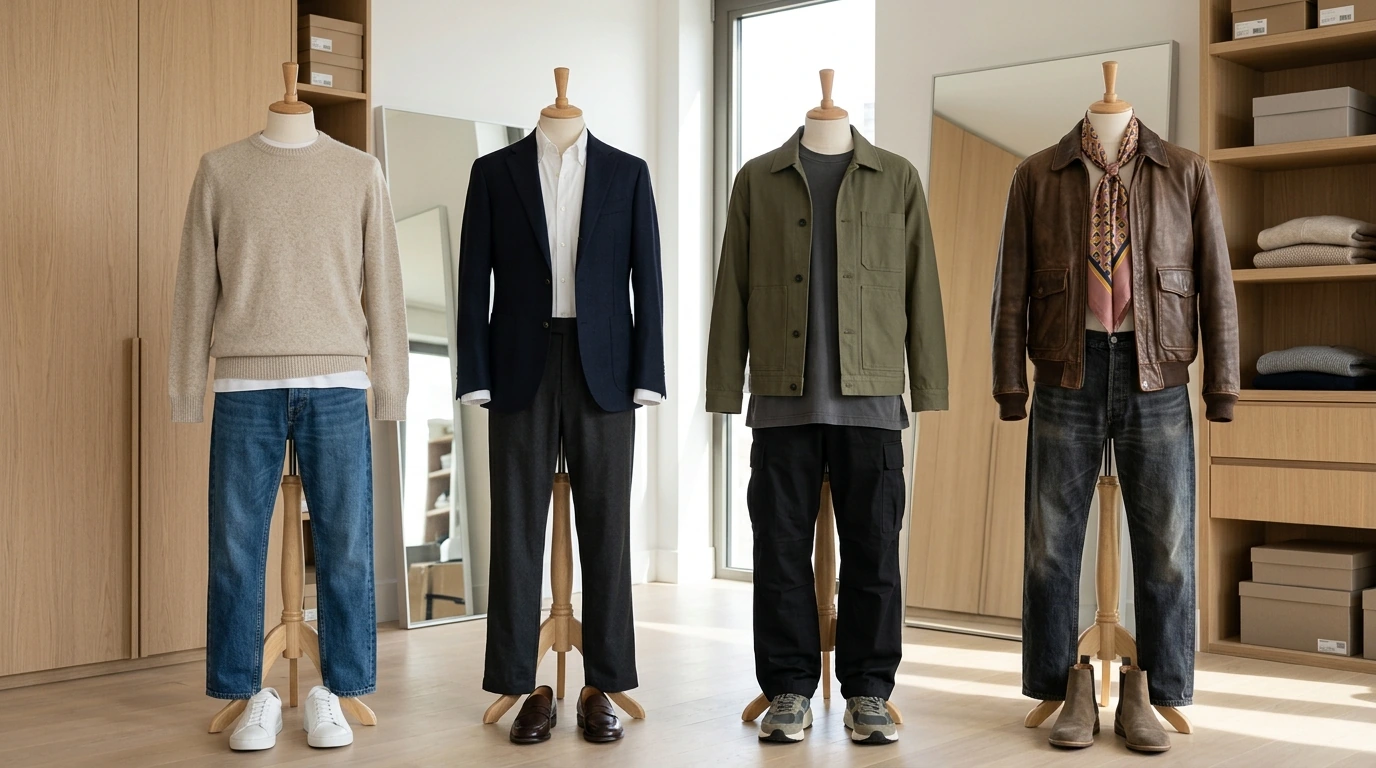
Start With the Building Blocks of Personal Style
Most outfits feel “right” when a few foundations stay consistent. Instead of chasing trends, focus on repeatable building blocks that make getting dressed faster and shopping decisions clearer. For more guidance, see Definitive Guide To Finding Your Fashion Style – Pepper & Platinum.
Silhouette
Pick a handful of shapes you genuinely like on your body—relaxed, tailored, oversized, cropped, high-waisted—and repeat them across outfits. When silhouettes stay familiar, everything in your closet mixes more easily. For further reading, see The 15 Best Fashion Tips We Learned on the Job – PureWow.
Fabric and texture
Use denim, cotton, and knits for everyday ease; wool, silk, and structured blends for polish; and leather or technical fabrics when you want more edge. Texture is often what separates “fine” from “finished.”
Color strategy
Choose 2–3 neutrals you’ll wear year-round, then add 1–2 accent colors that make you feel like yourself. Keep hardware consistent (mostly gold or mostly silver) so accessories look intentional rather than accidental.
Fit and proportion
Balance volume so you don’t feel swallowed: oversized top + slim bottom, or wide-leg bottom + fitted top. If everything is loose, make at least one area defined (waist, cuffs, or a clean hemline).
Signature details
Lock in a few “always works” elements—clean sneakers, loafers, a leather jacket, a trench, a favorite neckline—so you can build outfits quickly without overthinking.
Casual Style: Clean, Comfortable, and Repeatable
Casual style looks best when it’s simple, consistent, and quietly sharp. The goal is comfort with structure, not “whatever was closest.”
Core pieces
Start with well-fitting tees, knit tops, denim, relaxed trousers, a versatile jacket (denim, bomber, or chore), and everyday sneakers. If these pieces fit well, you’ll get dozens of outfits out of a small lineup.
Outfit formulas that rarely fail
- Tee + straight jeans + clean sneakers
- Knit top + wide-leg trousers + minimal jewelry
- Hoodie + tailored pants + sleek trainers
Upgrade moves without overdressing
Prioritize fit first, then add one structured element—like a crisp shirt layered under a knit, or a blazer over a tee. Keep colors intentional (even if they’re neutral) so the outfit reads cohesive.
Seasonal swaps
In summer, lean into linen shirts and clean shorts. In winter, rotate in layered knits, wool overshirts, and sturdier boots to keep the same outfit formulas working.
Formal Style: Sharp Lines, Elevated Materials
Formalwear doesn’t need to feel stiff; it just needs refinement. Crisp lines, better fabrics, and a clean finish do most of the work.
Essentials to anchor the look
Build around a properly fitted blazer, matching trousers or a skirt, a crisp shirt, refined shoes (loafers, oxfords, or heels), and understated accessories. When unsure, lean classic and let fit be the “statement.”
Fit checklist
- Shoulder seams align with your shoulders
- Sleeves show a touch of cuff (when layered)
- Trousers break cleanly without bunching
- Waist sits comfortably without pulling
Polish moves that matter
Steam garments, coordinate belt and shoes, and keep visible branding minimal. Small finishing steps often read more expensive than any single item.
| Dress code | Reliable outfit choice | Shoes & accessories |
|---|---|---|
| Business formal | Matching suit or structured dress + blazer | Oxfords/loafers/closed-toe heels; simple watch, minimal jewelry |
| Business casual | Blazer + trousers/clean denim + knit or button-down | Loafers, sleek sneakers, ankle boots; belt matched to shoes |
| Cocktail | Midi dress or dark tailored set with a standout fabric | Heels or polished leather shoes; one statement accessory |
| Black tie | Tuxedo or floor-length gown (or very formal evening set) | Patent or highly polished shoes; refined clutch/jewelry |
Streetwear Style: Structure, Attitude, and Contrast
Streetwear is less about “loud” and more about contrast—relaxed shapes paired with deliberate styling.
Key elements
Think relaxed silhouettes, graphic tees, hoodies, cargo pants, statement sneakers, caps, and layered outerwear. Streetwear reads best when the outfit has one clear focal point.
Balance is everything
Pair one bold item with quieter basics: a graphic tee with plain pants, or loud sneakers with a neutral outfit. Too many competing logos can make the look feel chaotic rather than styled.
Materials and details
Heavy cotton, nylon, and denim add weight and structure; visible hardware (zips, pockets) adds character. Keep hems intentional—crop, cuff, or go full length—so proportions look designed, not accidental.
Vintage vs. Retro: How to Tell the Difference and Wear Both
What “vintage” means
What “retro” means
Decade cues to recognize at a glance
Keep it modern
Care tips
Build Mini-Capsules for Each Style Lane
Blend Styles Without Clashing
Use a Style Guide to Shop Smarter and Get Dressed Faster
A structured style reference makes it easier to identify the silhouettes and outfit formulas that feel natural for different settings, which reduces impulse buys and closet clutter. For a quick, practical framework that covers casual, formal, streetwear, vintage, and retro lanes, explore Style Unlocked: Your Ultimate Guide to Clothing Styles.
If you like experimenting with styling on a smaller scale—testing proportion, color stories, and signature details—collector fashion can be a surprisingly fun way to refine your eye. The 1/4 BJD Fashion Doll Raven is a creative option for building mini looks and exploring new combinations before committing to a full wardrobe shift.
FAQ
How can casual outfits look put-together without feeling overdressed?
Focus on fit, keep your color palette simple, and add one structured layer like a blazer or chore jacket. Finish with clean shoes and minimal, intentional accessories.
What’s the easiest way to start wearing vintage or retro without looking costumey?
Wear one era-inspired piece at a time and pair it with modern basics. Keeping shoes, hair, and overall styling contemporary helps the look feel current instead of themed.
How should streetwear fit if oversized looks feel overwhelming?
Keep only one item oversized (like a hoodie or jacket) and choose more streamlined bottoms. Use cuffs, cropped lengths, or a defined waistline to control proportions.










Leave a comment