8+ Person Cotton Yurt Tent: Spacious, Waterproof Basecamp
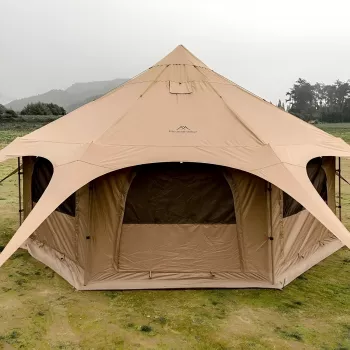
Spacious Waterproof Cotton Yurt Tent for 8+ People: A Group Camp Basecamp That Feels Livable
A roomy cotton yurt-style tent can turn group camping into a comfortable basecamp with better airflow, quieter fabric in wind, and space to stand, sleep, and store gear. This guide breaks down what matters most—capacity, weather protection, setup, comfort, and care—so it’s easier to decide if a cotton yurt tent fits the trip, season, and group size.
What a cotton yurt tent is built for
Yurt-style tents prioritize usable, upright space. Instead of long, low sleeping tunnels, the round (or near-round) footprint and central height create a shared living area that works well for families, friend groups, and multi-day stays.
Cotton/canvas fabric is also known for breathability, which can help reduce the “rain inside the tent” feeling that sometimes comes from condensation in tightly sealed synthetic shells. That said, any tent can build moisture when several people are sleeping inside—venting and smart campsite habits still matter.
These tents shine for car camping, glamping setups, and basecamps where comfort and livability beat ultralight packing. The trade-off is predictable: a larger packed size and heavier carry weight, with a noticeably more comfortable space once pitched.
Space and capacity: fitting 8+ people comfortably
Capacity labels often assume a tight layout of sleeping pads with little room left for bags, shoes, or a nighttime path to the door. With 8+ people, plan for “sleeping space” and “living space” separately—especially if anyone uses a cot or a thick air mattress.
A yurt layout makes group sleeping easier: place sleepers around the perimeter, keep a shared middle area open, and maintain one clear entry lane so late-night trips don’t wake everyone. For mixed groups (kids + adults), simple zones help: a gear wall near the entrance, a sleeping ring around the edge, and a central area for light, a small table, or board games during bad weather.
Group planning checklist (quick sizing and comfort cues)
| Need | What to look for | Why it matters |
|---|---|---|
| 8 sleepers on pads | Large floor area with perimeter sleeping layout | Reduces crowding and keeps a central area usable |
| Cots / tall air beds | High walls and generous door height | Prevents fabric contact and improves entry/exit |
| Family + gear | Extra space beyond sleeping capacity | Makes rainy-day time and gear storage easier |
| Long stays | Room for a table/lantern and organized storage | Improves comfort and safety around lighting |
Waterproof performance in real rain
Waterproofing is a system, not a single feature: the tent fabric, seams, zipper protection, ground moisture control, and even campsite selection all work together. Cotton canvas often relies on a tight weave plus fibers that swell when wet, improving water resistance. If the tent includes “weathering” guidance (wetting it once and allowing it to dry to help seal stitching), follow it before a high-stakes trip.
Look for rain-shedding details that actually change outcomes in storms: sturdy seam construction, storm flaps over zippers, and a roof/peak shape that encourages fast runoff instead of pooling. Underfoot, ground moisture is just as important as rainfall. A robust tub-style floor or a properly sized groundsheet helps prevent seepage during prolonged rain.
When wind-driven rain hits, pitch with the lowest-profile side into the prevailing wind, use every guy-out point, and avoid letting fabric panels sag. For up-to-date conditions and alerts before you leave, check forecasts from the NOAA National Weather Service.
Comfort features that matter for big groups
With 8+ campers, small design choices make a big difference in how the tent feels after dark and on rainy afternoons.
Setup, anchoring, and campsite requirements
Anchoring is critical on larger yurt-style shelters. Use all stakes and guy lines, and consider upgrading stakes for sand, loose soil, or windy areas. In wet weather, remember that the “pack-up” decision matters too: if the tent goes into a bag damp, it should be fully dried as soon as possible to prevent mildew. The same moisture-control principles used for indoor cleanup apply outdoors as well—see the CDC’s guidance on mold and moisture for practical drying concepts.
For campsite ethics and smoother trip planning, it also helps to review the Leave No Trace “Plan Ahead and Prepare” principle, especially when you’re coordinating a larger group.
Care and storage for cotton tents
Product snapshot: group-ready gear picks
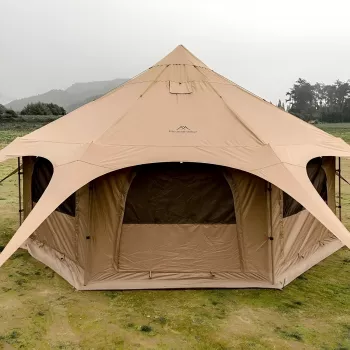
- Spacious Waterproof Cotton Yurt Tent for 8+ People — A yurt-style layout designed for big groups, with a breathable cotton-based shell and wet-weather capability when properly pitched, guyed out, and paired with solid ground moisture control.
- Natural Marble Tissue Box with Gold Accents — A small comfort upgrade for glamping-style setups, helpful for keeping tissues clean and accessible in a shared tent living area.
- HiFi Dynamic Driver Earbuds — Useful for quiet time at camp (or travel days to and from the trailhead), especially when a large group has different schedules.
FAQ
Does a cotton yurt tent reduce condensation compared with polyester tents?
Cotton/canvas is generally more breathable than many polyester shells, which can help reduce condensation buildup. Condensation can still happen with a full tent, so keep vents open, avoid drying wet gear inside, and use a groundsheet correctly to manage moisture.
Can an 8+ person yurt tent fit two queen air mattresses?
It can, but it depends on the tent’s floor dimensions and the exact size of the mattresses. Plan for a walkway and space for gear; tall air beds and cots also increase perceived crowding, so double-check measurements before committing.
How should a cotton tent be dried and stored after rain?
Shake out dirt and leaves, then air-dry the tent fully with panels opened for airflow; wipe the floor and confirm seams and thicker areas are dry. Store it loosely in a breathable bag in a cool, dry place—long-term damp storage can lead to mildew and fabric damage.









Leave a comment